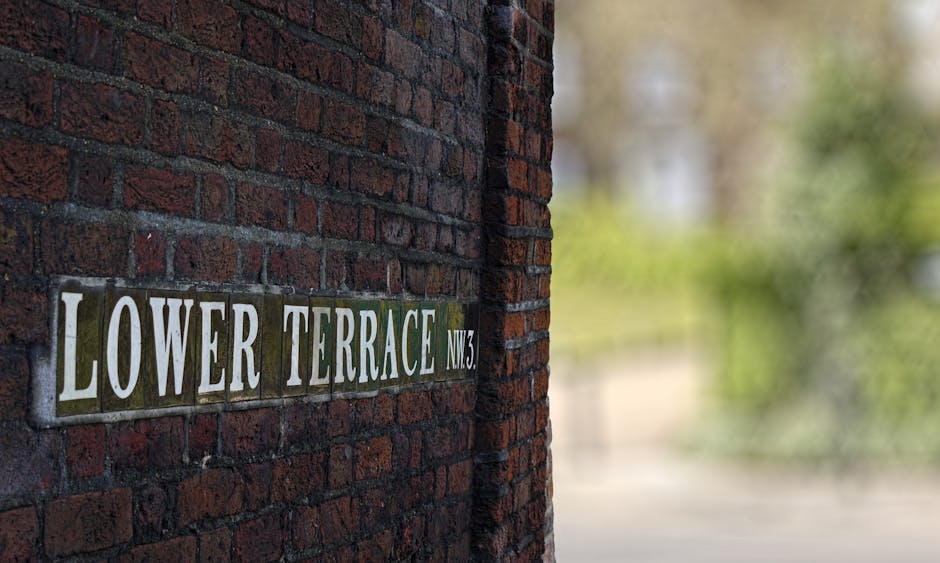
NW3 removals for Belsize Park Haverstock Hill flats: a practical guide to moving well in a tight London setting
If you are planning NW3 removals for Belsize Park Haverstock Hill flats, you already know this is not the sort of move where you can just wing it. Flats around Belsize Park and along Haverstock Hill often come with stairwells that feel narrower on moving day, parking that disappears when you need it most, and neighbours who would quite like the hallway back before lunch. Truth be told, that mix of pressure and logistics is exactly why a well-planned flat removal makes such a difference.
This guide breaks the process down in plain English. You will find what actually matters, how the move works in practice, what to watch out for, and where a professional team can save you time, stress, and a few bruised knuckles. If you want a smoother move, a calmer day, and fewer awkward surprises at the front door, start here.
Why NW3 removals for Belsize Park Haverstock Hill flats matters
Flat removals in NW3 are rarely just about loading boxes into a van. They are about timing, access, building rules, and preserving good relations with everyone else sharing the same entrance, lift, or stairwell. In a place like Belsize Park, that matters more than people expect. A move can be technically simple but operationally fiddly.
Haverstock Hill, in particular, tends to bring the usual London moving challenges together in one place: busier roads, limited stopping space, and properties where access is not always straightforward. A second-floor flat with a turning staircase, for example, is a very different proposition from a ground-floor apartment with direct street access. And if you have got a sofa that only just made it into the property in the first place? Well, you can probably guess the rest.
This is why local knowledge matters. A crew used to flat removals in this part of NW3 can plan around access restrictions, choose the right vehicle, and sequence the work so the move does not stall in the hallway. That sounds basic, but basic is often what separates a tidy move from a stressful one.
It also matters because the best removals are not the most dramatic ones. They are the ones that feel uneventful on the day. Boxes arrive, furniture is protected, the building is left in decent shape, and everyone gets on with life. Nice and boring. That is the goal.
How NW3 removals for Belsize Park Haverstock Hill flats works
A good flat move usually follows a fairly predictable pattern, although the details change from building to building. The first stage is an access check. That means looking at stairs, lifts, door widths, parking, walking distance from the vehicle to the entrance, and any time restrictions. On busy roads, this can change the whole shape of the move.
Next comes volume assessment. Is this a one-bedroom flat with a few key items, or a full household move with white goods, wardrobes, fragile artwork, and the odd item that has become emotionally impossible to part with? Honest volume estimates matter because they determine the size of team, vehicle, and time required.
After that, the move is planned around packing, loading order, and delivery sequence. The crew will usually prioritise awkward items, protective wrapping, and the safest route through the building. If the property is on a higher floor, the sequence becomes even more important. One person carrying soft items, another handling heavy furniture, somebody keeping the route clear - simple coordination, but it makes a huge difference.
Many customers also choose support services such as packing and boxes or packing and unpacking services when they want to reduce the pressure before moving day. That can be especially helpful when life is busy and you do not want to spend three evenings searching for the kettle.
For smaller moves, a man and van or a removal van can be a neat fit. Bigger flat moves may call for a moving truck or a more fully planned removal service. The right setup depends less on labels and more on the shape of your actual move.
Key benefits and practical advantages
The main benefit of using a professional approach for Belsize Park and Haverstock Hill flat removals is simple: fewer moving-day headaches. But the real advantages are more specific than that.
- Better handling of access challenges - narrow stairs, tight corners, and long walks from vehicle to door are managed with more confidence.
- Less risk to furniture and walls - careful wrapping, lifting, and route planning reduce scuffs and impact damage.
- Faster loading and unloading - when a crew knows the routine, they waste less time standing around deciding who takes what.
- Reduced stress for you - you can focus on keys, utilities, checkout, and the hundred little things that always pop up at the last minute.
- Better suitability for local flats - not every move needs a giant lorry; sometimes a smaller, more agile setup is exactly right.
There is also a quieter benefit: goodwill. If you keep the corridor clear, protect shared surfaces, and move efficiently, you are much less likely to annoy neighbours or building managers. That is not a tiny thing. In a block of flats, people remember who dragged a bookcase down the stairs at 7 a.m.
For people moving out of a flat with furniture they no longer need, it can be practical to combine the move with furniture removals or furniture pick up. That keeps the new place uncluttered and stops you paying to transport items you no longer want. A small win, but a real one.
Who this is for and when it makes sense
This kind of move suits a wide range of people, but it is especially useful if any of the following sound familiar:
- You live in a flat above ground level and need help with stairs or lifts.
- Your property has limited access or awkward parking.
- You are moving a full household, not just a suitcase and a desk chair.
- You want to protect furniture, floors, and communal areas.
- You are on a deadline and need the move to happen cleanly in one day.
- You need flexibility because handover timings or key collection may be tight.
Students moving into or out of nearby flats often benefit from a lighter setup, especially if they are moving on a budget and with limited possessions. In those cases, student removals can be a sensible fit, especially when there are boxes, bags, and one very heavy monitor that seemed manageable at the time.
Households with larger loads may prefer a more structured service such as flat removals or even home moves depending on the amount of furniture and packing involved. If the move includes a business base, self-employed office kit, or a small studio setup, then commercial moves or office removals may be more appropriate. It depends on the shape of your life, really.
Step-by-step guidance
- Assess your access early. Measure doorways, note stairs, check lift size, and think about where the van can stop. Do not leave this to memory. Memory is not always a reliable removal consultant.
- Sort what is moving and what is not. Decide whether you are taking every item, selling some, storing some, or disposing of a few things. This is the stage where many moves either become simpler or quietly get out of hand.
- Pack by room and by priority. Put essentials in separate boxes and label them clearly. Keep documents, chargers, toiletries, and the kettle accessible. The kettle is not optional, by the way.
- Protect fragile and bulky items. Wrap glass, lamps, mirrors, and table surfaces properly. If you have heavy or awkward furniture, note it in advance so the team can bring the right equipment.
- Confirm timings and building arrangements. If your building needs notice, lift bookings, or route restrictions, sort that before the day. A five-minute delay becomes a forty-minute delay surprisingly fast.
- Prepare the flat for loading. Keep corridors clear, disassemble what needs disassembly, and make sure keys are ready. You want the crew moving, not waiting.
- Do a final walk-through. Check cupboards, loft space if relevant, and behind doors. People always forget at least one drawer. Always.
If you are also looking for temporary holding space between properties, then storage can be useful. This is particularly helpful when completion dates do not line up neatly, or when you do not want every box going straight into the new flat on day one.
For those who need a broader moving solution, removals and removal services can provide a more complete framework, especially if the move involves dismantling, transport, loading, and careful placement at the destination.
Expert tips for better results
Here are the small things that often make the biggest difference on moving day.
- Book around the building, not just your calendar. A mover can be ready at 8 a.m., but if the lift is reserved or parking is impossible, the day will still wobble.
- Use fewer, stronger boxes. Overpacking cardboard is one of the quickest ways to slow everybody down.
- Keep a clean landing zone. One clear room or hallway near the entrance makes loading much smoother.
- Tell the crew about awkward items in advance. Pianos, exercise bikes, marble tables, oversized wardrobes - all need a mention. No one enjoys a surprise halfway down the stairs.
- Set aside essentials separately. Passport, medication, chargers, tea bags, toilet paper. You know, the bits that save a first night from becoming an experiment.
- Plan for the weather. London rain has a talent for arriving exactly when boxes are outside. A little covering helps more than you think.
If you are moving from a top-floor flat, the lift may be slow or unavailable during peak times. In that case, start with the heaviest and least forgiving items while energy is highest. That sounds obvious, but people still save the sofa until the end and regret it immediately.
One more thing: communicate clearly. If your building has a concierge, a caretaker, or a management office, let them know the timetable. A polite heads-up often prevents a minor issue becoming a major one.
Common mistakes to avoid
Most removal problems are not dramatic. They are small decisions that pile up.
- Underestimating access problems. A flat that seems easy from the pavement may be awkward once boxes start moving.
- Leaving packing too late. Last-minute packing usually means poor box quality, bad labels, and missing essentials.
- Choosing a vehicle that is too large or too small. Too large and you may struggle on local streets; too small and you waste time on extra trips.
- Ignoring building rules. Loading bays, lift bookings, and corridor protection matter more than people think.
- Forgetting to check insurance and safety arrangements. It is worth knowing how a company handles risk, especially in shared residential buildings.
- Trying to move everything yourself. A few boxes? Fine. A full flat up two flights of stairs? That is a different story.
Sometimes the mistake is emotional rather than logistical. People keep saying, "It'll be fine," while standing next to twelve unlabelled boxes and a dismantled bed. It might be fine, but it also might be chaos with tape on it.
Tools, resources and recommendations
You do not need a van full of gadgets to move well, but a few tools make the job easier:
- Strong tape and dispensers for box sealing.
- Marker pens and labels for room-by-room identification.
- Protective covers and wraps for furniture and fragile items.
- Furniture blankets to reduce marks during loading.
- Dismantling tools for beds, shelves, and flat-pack furniture.
- Reusable bags or clear tubs for essentials and loose items.
On the service side, some readers find it useful to compare a lighter man with van setup against a more all-in house removals style package. The right option depends on how much you own, how much help you need, and how much time you are trying to save. Simple as that, really.
If you want to understand the company side of things before booking, it can help to read the about us page and review the insurance and safety information. Those pages are useful because they show how the business thinks about responsibility, not just transport.
Law, compliance, standards, and best practice
For residential removals in London, the main practical compliance issues are usually about safety, access, and care rather than complex regulation. That said, best practice still matters. A professional moving team should handle items carefully, respect shared spaces, and follow sensible procedures for lifting, loading, and transporting goods.
In blocks of flats, it is also good practice to check whether your building has any move-in or move-out rules. These may include lift bookings, restricted hours, floor protection expectations, or instructions for using service entrances. The exact rules vary by building, so it is sensible to ask early rather than discovering them on the morning of the move. That is one of those lessons people learn once.
Safety matters too. Good moving practice usually includes proper lifting technique, suitable equipment for heavier items, and care around tight corners and stairwells. If you are comparing providers, asking how they manage these basics is fair enough. In fact, it is one of the better questions you can ask.
Payment and booking terms matter as well. Before confirming a removal, it is wise to check the company's payment and security information and terms and conditions. If anything is unclear, ask. The best providers do not mind that at all.
For moving day friction points, the most relevant standards are often common-sense ones: protect property, avoid blocking access, communicate clearly, and leave the building in decent condition. Not flashy. Just solid.
Options, methods, and comparison table
Different moves need different setups. Here is a simple comparison to help you think through the options.
| Option | Best for | Typical strengths | Watch out for |
|---|---|---|---|
| Man and van | Small flat moves, student moves, a few large items | Flexible, often efficient for quick jobs | May be less suitable for very large or complex moves |
| Removal van | Compact flat removals with moderate load | Agile for London streets and tighter access | Needs accurate volume planning |
| Moving truck | Larger loads or full household flats | More capacity, fewer trips | Can be awkward where access is tight |
| Full removal service | Complex moves, packing support, heavy items | Less stress, more hands-on help | Costs more than a basic transport-only option |
Choosing between these is not about what sounds most impressive. It is about matching the service to the building, the load, and your tolerance for hassle. A small flat in NW3 with awkward stairs may be better served by a nimble setup than by a huge vehicle that cannot stop close enough to the entrance. On the other hand, a fully furnished two-bedroom flat will often benefit from a more substantial team and vehicle.
Case study or real-world example
Picture a one-bedroom flat near Haverstock Hill with a narrow staircase, a couple of large bookcases, and a sofa that has been "temporary" for three homes already. The move is booked for a weekday morning to avoid later traffic, and the building allows a short loading window outside. Nothing dramatic - but enough moving parts to cause trouble if ignored.
The crew arrives with the right vehicle size, confirms the route, and begins with the awkward pieces first. The sofa is wrapped, bookcases are protected, and boxes are grouped by room. The tenant has already separated essentials, so the first-night items stay accessible. Because the access was checked in advance, there is no pause halfway through to figure out whether the dining table can make the turn.
What changed the experience was not brute force. It was planning. The move stayed calm, neighbours were barely disrupted, and the customer got to the end of the day without that hollow feeling that usually follows a badly organised move. You know the one.
That kind of result is exactly why people in NW3 often choose a local team familiar with flat moves, rather than treating it like an ordinary van hire job. The difference is subtle at first, then obvious when it counts.
Practical checklist
Use this before moving day. It keeps the little things from slipping through the cracks.
- Confirm access details for your flat and building.
- Check whether lift booking or parking arrangements are needed.
- Measure large furniture and awkward doorways.
- Decide what is moving, storing, selling, or disposing of.
- Label boxes clearly by room and priority.
- Pack essentials separately for the first 24 hours.
- Protect fragile items and dismantle furniture in advance where needed.
- Tell the moving team about stairs, access issues, or heavy items.
- Review payment, insurance, and terms before the day.
- Do a final flat check before leaving.
Practical summary: the smoother your access planning and packing, the less energy you will spend firefighting on the day. That is the whole game, really.
If your move is time-sensitive or you are dealing with a short notice handover, you may also want to look at same day removals. Not every move needs that pace, but when it does, it can be a relief.
Get a free quote today and see how much you can save.
Conclusion
NW3 flat removals around Belsize Park and Haverstock Hill work best when they are treated as a logistics job, not just a transport job. Once you factor in access, timing, packing, neighbour considerations, and the right vehicle choice, the move becomes much more manageable. Less guesswork, fewer delays, fewer regrets.
Whether you are moving a compact studio, a family flat, or a carefully assembled collection of furniture that somehow all needs to go through one narrow stairwell, the basics remain the same: plan early, pack well, and choose a setup that fits the property rather than forcing the property to fit the move. If you do that, things usually go better. Not perfect, maybe, but better - and sometimes that is exactly what you need.
And on moving day, when the last box is in place and the hallway is finally clear, there is a very particular kind of relief. Quiet, simple, deeply satisfying.
Frequently Asked Questions
What makes NW3 removals for Belsize Park Haverstock Hill flats different from a regular house move?
Flat moves often involve tighter stairs, shared entrances, lift restrictions, and more limited parking. That means access planning matters much more than it would in a typical house move.
Do I need a full removal service, or is a man and van enough?
It depends on the size of your load and the complexity of the access. A man with van setup can be ideal for lighter moves, while a larger or more complex flat move may need a fuller service.
How far in advance should I book a flat removal in Belsize Park?
As early as you can, especially if you need a weekend slot, a specific timing window, or support with packing. Busy London areas can fill up quickly.
Can a removal team handle stairs in older NW3 flats?
Yes, provided they know about the access in advance and bring the right equipment. Older flats often need more care around turns, landings, and narrow corridors.
What should I do with furniture I do not want to take?
You can arrange furniture removals or furniture pick-up so unwanted items do not end up being moved twice. That keeps the move lighter and the new flat less cluttered.
Is storage useful during a flat move?
Yes, especially if your move-out and move-in dates do not line up neatly. Storage can take the pressure off when completion dates are messy, which happens more often than people like.
How do I avoid damage in a flat removal?
Use proper packing, protect furniture surfaces, clear routes, and tell the team about fragile or bulky items early. Damage often happens when something awkward is left for the last minute.
What if my building has strict moving rules?
Follow them and plan around them. Lift bookings, time limits, and loading restrictions are common in flat buildings, and they can shape the whole move if ignored.
Are same-day removals realistic for a flat in NW3?
Sometimes yes, if the load is manageable and the access is straightforward. But they are best for situations where speed matters more than detailed planning.
Should I use packing support for a flat move?
If you are short on time or have fragile items, packing support is often worth it. It can reduce stress and make moving day much easier to manage.
How do I know which vehicle size is right?
Think about the number of boxes, large furniture pieces, and access constraints. A smaller vehicle may be better for tight NW3 streets, while a larger move may need more capacity and fewer trips.
Where can I check whether a removals company is clear about safety and payments?
Review the company's insurance and safety page and payment and security details. Those pages are useful for understanding how they operate before you book.