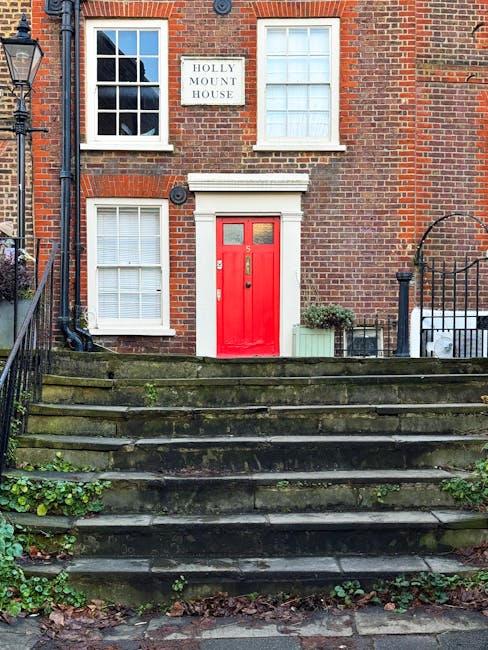
Removals to Hampstead Heath area from Belsize Park: a practical local guide
Moving from Belsize Park to the Hampstead Heath area sounds straightforward on paper. It is only a short hop across North London, after all. But anyone who has moved around here knows the reality can be a bit more fiddly than the map suggests. Tight streets, parking pressure, basement flats, awkward stairwells, and the odd piece of furniture that suddenly seems twice its normal size. That is exactly why Removals to Hampstead Heath area from Belsize Park deserve proper planning, not just a van and good intentions.
This guide walks through what the move involves, how to prepare, what tends to go wrong, and how to make the whole thing calmer and more efficient. Whether you are moving a one-bedroom flat, a family home, or a small office setup, you will find practical advice here that helps you avoid the usual last-minute scramble.
Why Removals to Hampstead Heath area from Belsize Park Matters
At first glance, a move between Belsize Park and the Hampstead Heath area is a local relocation. Short distance, familiar neighbourhoods, same part of London. Easy enough, right? Well, yes and no.
The short travel time can lull people into underestimating the job. Local removals still involve route planning, access checks, packing discipline, and timing. In places like Belsize Park and Hampstead, a move can be held up by narrow roads, permit restrictions, shared entrances, or a building that looks fine from the outside but turns into a puzzle once you reach the first landing.
That matters because the quality of a local move is often decided by the small details. A missed parking bay, a sofa that will not clear the staircase, or boxes that were packed in a hurry can all turn a simple move into a long day. To be fair, nobody wants to be standing in the hallway at 6 p.m. wondering why the wardrobe is now wedged at a diagonal.
For many households, the Hampstead Heath area offers a different pace and feel from Belsize Park. Maybe you are upsizing, downsizing, moving closer to the park, or shifting into a flat with more light and a slightly quieter street. Whatever the reason, the move is not just about transport. It is about settling into a new routine with as little stress as possible.
Expert summary: local removals only look simple when the access, timing, packing, and vehicle choice are already aligned. The closer the move, the easier it is to assume the basics will sort themselves out. They rarely do.
How Removals to Hampstead Heath area from Belsize Park Works
A well-run local removal follows a fairly simple pattern, but every stage has a purpose. The job usually starts with an assessment of what needs moving, how much access there is, and what sort of vehicle and crew make sense. Some moves only need a flexible man and van service, while others are better handled with a larger team and a dedicated moving truck.
For a flat move, the most important question is not just volume. It is access. How many stairs are there? Is there a lift? Can furniture be manoeuvred cleanly through doorways? Is the loading point close enough to keep the move efficient? These questions sound obvious, but they are the ones that often decide whether the day runs smoothly or feels chaotic.
If you are moving a household, a more structured home move or house removals approach is usually more suitable. That means planning for larger furniture, fragile items, multiple rooms, and the logistics of getting everything out in a sensible order. If you are relocating from a compact flat, a flat removals setup may be the more efficient route.
In practical terms, the move often unfolds like this:
- Survey the property and assess the size of the load.
- Check access at both ends, including parking and building entry.
- Select the right vehicle and crew size.
- Pack fragile items carefully and label boxes clearly.
- Load in a sensible sequence to protect furniture and save time.
- Transport the items to the new address and place them room by room.
- Handle any final unpacking, assembly, or storage needs.
If you need extra help getting organised, a packing and boxes service or packing and unpacking services can take a surprising amount of pressure off the day. Truth be told, packing properly is one of those jobs people think they can race through on a Sunday afternoon. Then Monday arrives, and every cable, charger, and mug seems to have vanished into the same box.
Key Benefits and Practical Advantages
There are good reasons people choose a planned local removal rather than improvising. The benefits are not abstract; they show up in your time, your energy, and the condition of your belongings when you arrive.
- Less physical strain: lifting, carrying, and manoeuvring bulky items is harder than it looks, especially on stairs and tight turns.
- Better timing: a good removal plan avoids the drift that happens when boxes are still being taped shut at the last minute.
- Safer handling: fragile items, mirrors, screens, and awkward furniture are less likely to be damaged when moved properly.
- Cleaner organisation: labelled boxes and a structured unload make the new place feel usable sooner.
- More control over costs: the right service level helps you avoid paying for more capacity than you need.
There is also a quieter benefit that often gets missed: peace of mind. Moving locally is still disruptive. Even a short relocation can leave you mentally scattered for a day or two. When the transport side is handled well, you can focus on the decisions that actually matter, like where the kettle goes and whether the sofa should face the window or the wall.
If sustainability matters to you, it is worth thinking about disposal and reuse at the same time as the move. Services such as furniture removals, furniture pick up, and the company's recycling and sustainability approach can help you reduce waste instead of sending perfectly usable items straight to landfill. Small win, but a real one.
Who This Is For and When It Makes Sense
This kind of move suits a wide range of people, and not all of them are obvious at first. A lot depends on your property type, your timeframe, and how much you want to do yourself.
You might especially benefit from a structured removal if you are:
- moving from a rental flat with a narrow staircase or shared entrance
- upgrading into a family home near Hampstead Heath
- downsizing and need help deciding what to move, store, or dispose of
- moving as a student with limited furniture but awkward timing
- relocating a small office or work-from-home setup
- carrying valuable or delicate items that need more than a quick lift-and-shift
For students, timing is often the biggest issue. End-of-term dates can be hectic, and everyone seems to move at the same time. A focused student removals option can make a one-day move much easier to manage.
If your timetable is tight, a same day removals service may be worth considering, although it is always best to book ahead when you can. Same-day jobs are useful in genuine pinch-point situations, but they do work best when access is straightforward and the load is already organised.
And if the move is tied to a job, a lease deadline, or an office handover, the margin for delay gets very small. In that situation, it makes sense to treat the move as a logistical project, not a casual errand. A bit less romance, a bit more planning. That is usually the winning formula.
Step-by-Step Guidance
If you want a smoother move, follow a sequence rather than trying to do everything at once. That sounds obvious, but moving day has a habit of making people forget obvious things.
- Confirm the inventory. Write down what is moving and what is not. Include furniture, boxes, fragile items, and anything unusually heavy or awkward.
- Check access at both properties. Measure door widths if necessary, note staircases, lift access, and parking restrictions. A couple of minutes here can save a lot of grief later.
- Choose the right service model. Smaller, lighter moves may suit man with van support; larger household moves often need a more complete removal services package.
- Gather packing materials early. Good boxes, tape, wrapping paper, labels, and markers are boring, yes, but they matter more than people expect.
- Pack by room and priority. Keep essentials separate: medication, documents, chargers, toiletries, a change of clothes, kettle, and basic snacks. You will thank yourself later.
- Protect furniture properly. Use covers, blankets, and correct lifting methods. One chip on a table edge can bother you far more than the table itself deserves.
- Plan unloading in the new place. Decide where the big pieces go before the van arrives. It is much easier to direct placement than to rearrange everything after the fact.
- Build in a buffer. Local moves are faster than long-distance ones, but delays still happen. A lift that is out of service or a parking space that disappears can knock the day off balance.
If storage is part of the picture, either for overflow items or while you settle in, it is worth looking at storage early rather than after the van is already loaded. That choice alone can prevent a lot of hurried decisions. It really can.
Expert Tips for Better Results
Most moving problems are preventable. Not all of them, but enough to make a difference.
- Keep heavy items low and dense boxes small. A box full of books should not be the size of a suitcase. Your back will not thank you.
- Label sides, not just tops. Boxes get stacked. If the label is on the top only, it disappears the minute someone loads three more on top.
- Photograph cable setups. It takes seconds and saves the irritating little guesswork later.
- Use colour coding if you can. Kitchen, bedroom, office, and fragile items can be sorted visually at a glance.
- Separate essentials from everything else. One overnight bag or essentials box should stay with you, not the van.
- Make parking simple. If your street is tight, communicate clearly about where the vehicle can stop and for how long.
One small, slightly unglamorous tip: keep a roll of bin bags handy. They are brilliant for soft items, last-minute loose bits, and random stuff that appears five minutes before departure. Not elegant, but very useful.
For larger or more complex jobs, choose a provider that understands different move types rather than one that only does point-to-point transport. The best setups can combine house removalists, removal van support, and more specialised handling where needed. If a piano, a heavy cabinet, or a delicate antique is involved, check whether piano removals or similarly careful handling is available.
Common Mistakes to Avoid
The biggest mistakes are usually not dramatic. They are the quiet little things that compound.
- Underestimating the volume of belongings. People always have more than they think, especially in kitchens, wardrobes, and cupboards.
- Leaving packing too late. Last-minute packing creates disorganisation, damage risk, and stress.
- Ignoring access issues. A move can unravel very quickly if a van cannot stop close enough or furniture will not fit through the entrance.
- Mixing essential items with general boxes. That leads to rummaging through ten boxes just to find a phone charger.
- Choosing the wrong vehicle size. Too small means multiple trips or delays; too large can be wasteful or awkward on narrow streets.
- Forgetting security and payment checks. This matters if you are comparing providers and sorting deposits or final balances in advance. Good operators should be transparent about payment and security and pricing and quotes.
Another common issue is assuming every move needs the same level of service. It does not. A light student move and a three-bedroom family relocation have very different rhythms. Matching the service to the job is one of the simplest ways to keep the day under control.
Tools, Resources and Recommendations
You do not need a warehouse of gear to move well, but a few practical tools make life much easier.
- strong, uniform boxes for stacking safely
- packing tape and a spare tape gun
- marker pens for clear room labels
- bubble wrap or paper for fragile items
- furniture covers or blankets
- zip bags for screws, brackets, and remote controls
- a torch for basements, hallways, or late finishes
- basic refreshments, because moving gets tiring in a way you always forget until about 2 p.m.
If you are comparing moving support, it helps to understand the difference between common service styles. A man with a van style move can suit smaller loads and short distances. A dedicated removal truck hire arrangement may be better for larger, heavier, or more time-sensitive loads. For commercial settings, commercial moves and office removals are usually planned around minimal downtime and clear room-by-room organisation.
There is also a difference between a simple transport job and a full-service move. If you want help beyond lifting and driving, consider whether home moves, packing and unpacking services, or even a removals package is the better fit. The right choice is the one that saves you time without adding unnecessary complexity.
Law, Compliance, Standards, and Best Practice
Local removals are not normally complicated from a legal standpoint, but there are still practical standards worth respecting. In London, access, parking, loading, and building rules can affect the move even when the journey itself is short. It is sensible to check any building instructions, concierge rules, or parking arrangements in advance. That way you are not relying on luck, which is a poor project plan, honestly.
For safety, good removal practice should include sensible lifting, careful handling of fragile items, and appropriate protection for furniture and property. If a provider discusses its health and safety policy and insurance and safety measures clearly, that is a good sign. It shows they are thinking about the job as a real operational process, not just a load-and-go exercise.
It is also worth looking at how a company treats privacy, terms, and complaints. That is not glamorous, but it matters. Clear privacy policy, terms and conditions, and complaints procedure pages suggest the business is organised and accountable. In a service where timing and handling matter, that level of clarity makes a difference.
If you are moving in a way that involves wider ethical or environmental concerns, the company's approach to recycling and sustainability and its modern slavery statement can also be part of your due diligence. These are not box-ticking extras. They are part of how trustworthy businesses signal standards.
Options, Methods, or Comparison Table
The best removal method depends on the size of the move, the access at both ends, and how much help you want. Here is a simple comparison to make that easier.
| Option | Best for | Strengths | Watch-outs |
|---|---|---|---|
| Man and van | Small flats, student moves, light loads | Flexible, usually efficient for short local jobs | May be less suitable for larger furniture or multiple rooms |
| Removal van | Moderate loads, mixed boxes and furniture | Good balance of capacity and manoeuvrability | Needs sensible planning if access is tight |
| Moving truck | Larger homes, bulkier items, fuller inventories | More space, fewer trips, better for bigger jobs | Can be harder to position on narrow streets |
| Full removals service | Families, complex moves, time-pressured relocations | More structured, less stress, more support | May be more than you need for a very small move |
For many local moves, the sweet spot is somewhere between light vehicle support and a fuller service. The trick is matching the method to the reality of the move, not the idea of it. That is where people often get it wrong.
Case Study or Real-World Example
A typical example: a couple moving from a one-bedroom flat in Belsize Park to a garden flat near Hampstead Heath. On paper, the address change looked tiny. In practice, the move had three layers of complexity: a narrow stairwell, one bulky sofa, and limited parking outside the new property.
Rather than trying to do everything in one frantic sweep, the move was broken into a few simple stages. Fragile kitchenware and books were packed first. Large furniture was measured against the doorframes before moving day. The team used a vehicle that could manage the load without making the street logistics awkward. On arrival, items were placed room by room, and the sofa was angled into position only after the main boxes were out of the way. Simple enough. But that kind of simple only happens after the planning.
The couple later said the biggest relief was not the transport itself, but how quickly the new place started to feel liveable. They could make tea, find bedding, and locate the kettle without opening every box in sight. That is a small thing, but moving is full of small things.
And, yes, there was one box marked "misc." That box contained chaos, basically.
Practical Checklist
Use this before moving day. It is not fancy, but it works.
- Confirm your moving date and arrival window.
- Check parking and access at both addresses.
- Measure large furniture and key doorways if needed.
- Decide whether you need packing help, storage, or a larger vehicle.
- Label boxes by room and priority.
- Set aside essentials for the first 24 hours.
- Protect valuables and fragile items separately.
- Disassemble furniture only if you can reassemble it easily.
- Keep documents, keys, medication, and chargers with you.
- Review quote details, payment terms, and any service conditions.
If you want a more streamlined move, it can also help to compare house removals with flat removals and see which better reflects the reality of your property. The label matters less than the fit. That is the key thing.
Conclusion
Removals to Hampstead Heath area from Belsize Park are usually short in distance but demanding in detail. The real work is not the drive. It is the planning, packing, access management, and timing that sit around the drive. Once those parts are handled properly, the move feels much lighter, calmer, and far more manageable.
The best approach is to choose the right level of support, prepare early, and leave room for the little realities of London life: parking, stairs, weather, and the occasional item that simply refuses to cooperate. Get those basics right and the rest tends to fall into place.
Get a free quote today and see how much you can save.
And if you are still weighing things up, that is fine too. A good move starts with a clear plan, not a rushed decision. One steady step at a time.
Frequently Asked Questions
How long does a local move from Belsize Park to Hampstead Heath usually take?
It depends on the amount of furniture, packing readiness, and access at both properties. A small, well-prepared move can be relatively quick, while a larger home with stairs or parking constraints will naturally take longer.
Is a man and van service enough for this type of move?
Sometimes, yes. If you are moving from a small flat or have a lighter load, a man and van setup may be ideal. For larger homes or bulkier items, a bigger vehicle and more hands are usually the safer bet.
What should I do if my street has tight parking?
Plan it early. Check where the vehicle can stop, whether there are restrictions, and how far items will need to be carried. Tight parking is one of the most common reasons a local move slows down.
Do I need packing help for a short-distance move?
Not always, but it can make a big difference. Even on a short move, proper packing reduces damage risk and saves time at both ends. If you are busy or not confident with fragile items, help can be well worth it.
What is the difference between flat removals and house removals?
Flat removals are usually shaped by stairs, lifts, shared access, and compact layouts. House removals often involve larger inventories and more furniture. The difference is mostly about logistics, not just property type.
Can I put some items into storage during the move?
Yes, and that can be a very sensible option if you are downsizing, renovating, or waiting for a room to be ready. Storage can take pressure off the moving day and stop the new place from feeling overcrowded from minute one.
Are fragile items handled differently?
They should be. Good practice means separate wrapping, clear labels, and careful positioning in the vehicle. Mirrors, glass, artwork, and electronics deserve a bit more attention than standard boxes.
What if I need to move at short notice?
Same-day or short-notice support may be possible, depending on availability and how much needs moving. The cleaner your inventory and access details are, the easier it is to arrange a quick turnaround.
How do I know which service level is right for me?
Look at three things: load size, access difficulty, and how much of the work you want to outsource. A light move may only need transport help, while a bigger or more stressful one is usually better handled as a fuller removals service.
What should I check before accepting a removal quote?
Check what is included, whether packing is extra, how payment works, what happens if timings change, and whether there are any access assumptions. A clear quote is always better than a cheap one that leaves room for surprises.
Is there anything special about moving in this part of London?
Mostly it is about access, parking, and building layout. Belsize Park and Hampstead Heath both have lovely residential areas, but they can also be a bit awkward for vehicles and large furniture. A bit of planning goes a long way.
Can removal teams help with unloading into specific rooms?
Yes, that is often one of the biggest time-savers. If you direct items clearly on arrival, the new property becomes usable much faster and you avoid endless shuffling after the van has gone.